The foundation of a lifetime of healthy smiles begins much earlier than many parents realize. From the moment the first pearly white bud breaks through the gums, a child’s oral health becomes a vital component of their overall well-being. Early dental care is not just about preventing cavities; it is about establishing a positive relationship with hygiene, ensuring proper speech development, and protecting the primary teeth that save space for a permanent smile. While the transition into toddlerhood and early childhood brings many milestones, managing dental health remains one of the most significant investments a parent can make.
Establishing an Early Routine and the First Visit
The journey of pediatric oral health begins well before the first tooth actually appears. Pediatricians and dental professionals recommend wiping a baby’s gums with a clean, damp cloth after feedings to remove bacteria that can cause early decay.
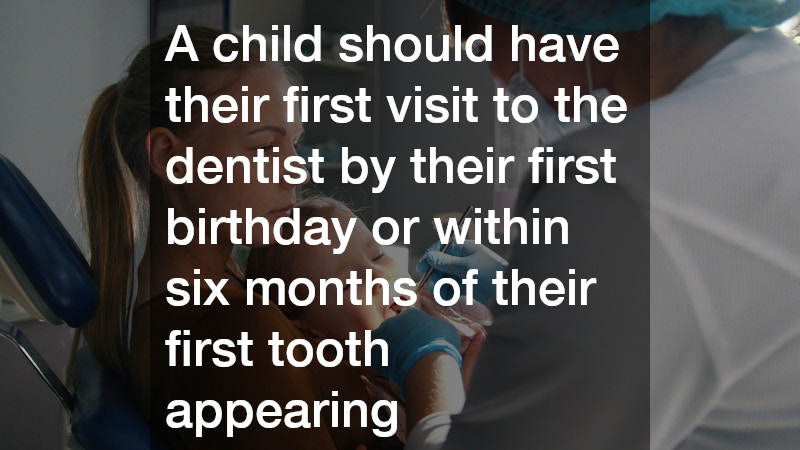
However, the real milestone occurs when that first tooth erupts, usually around six months of age. According to the American Academy of Pediatric Dentistry, a child should have their first visit to the dentist by their first birthday or within six months of their first tooth appearing.
This initial visit is often referred to as a “well-baby checkup” for the mouth. The goal is to acclimate the child to the clinical environment in a non-threatening way. During this appointment, the professional will check for proper jaw development, look for signs of “bottle rot” or early childhood caries, and discuss fluoride needs. For parents, this is the ideal time to ask questions about teething, thumb-sucking, and nighttime feedings. Establishing this “dental home” early on helps reduce the anxiety that often develops if a child’s first experience with a dental chair is for an emergency or a painful procedure.
As the child grows into a toddler, the routine must evolve. Brushing should happen once in the morning and once right before bed. For children under the age of three, a smear of fluoride toothpaste the size of a grain of rice is sufficient. Once they reach age three, you can transition to a pea-sized amount. The key is consistency; by making brushing a non-negotiable part of the morning and evening rhythm, you remove the “battle of the bristles” and turn it into a standard habit.
Nutrition and the Hidden Dangers of Sugar
While brushing and flossing are the mechanical defenses against decay, nutrition is the chemical one. In the world of young children, sugar is the primary antagonist. Bacteria in the mouth feast on sugar, producing acid that eats away at the relatively thin enamel of primary teeth. Managing dental care effectively means being a detective when it comes to your child’s diet. It isn’t just about candy and soda; many “healthy” snacks are major contributors to tooth decay.
Gummy vitamins, fruit leathery snacks, and even dried raisins are notoriously problematic because they are sticky. They adhere to the grooves of the molars and stay there for hours, providing a constant food source for acid-producing bacteria. Similarly, fruit juices are high in natural fructose and acid. If a child sips on juice in a sippy cup throughout the afternoon, their teeth are essentially taking a prolonged bath in a corrosive liquid. It is far better to offer fruit juice only during mealtimes and stick to plain water for hydration in between.
Starchy foods like crackers and white bread also pose a risk. These simple carbohydrates break down into sugars in the mouth and often get stuck in the crevices of the teeth. Encouraging a diet rich in crunchy vegetables, cheeses, and yogurts can help. Cheese, in particular, is an excellent snack for dental health because it stimulates saliva production and contains calcium and phosphates that help neutralize plaque acid. Teaching a child to “swish” with water after a snack when a toothbrush isn’t available is another small but effective strategy for managing their oral environment.
Overcoming Anxiety and Promoting Independence
As children enter the preschool years, they often begin to assert their independence. This is a double-edged sword for dental care. While it is wonderful to see a four-year-old take pride in “doing it myself,” most children do not possess the fine motor skills necessary to brush effectively until they can tie their own shoelaces—usually around age seven or eight. Managing this phase requires a balance of encouragement and supervision. A common “parent hack” is to let the child brush first to feel independent, and then have the parent “check for sugar bugs” by doing a thorough follow-up brush.
Fear of the chair is another hurdle that often arises during these years. Children are perceptive; they pick up on parental anxiety. If you speak about dentists with dread or use the “shot” or “drill” as a threat for poor behavior, the child will view the clinic as a place of punishment. Instead, use positive, age-appropriate language. Describe the hygienist as someone who “counts and shines” the teeth. Reading books or watching educational videos about dental visits can also demystify the experience.
Finally, consider the role of preventative treatments like sealants and fluoride varnishes. As the permanent molars begin to peek through around age six, these treatments provide an extra layer of armor. Sealants are thin, protective coatings painted onto the chewing surfaces of the back teeth to prevent food and bacteria from getting trapped in deep grooves. When combined with regular professional cleanings and a diligent home routine, these tools virtually guarantee a cavity-free childhood.
Managing a young child’s dental care is a marathon, not a sprint. It requires daily discipline, nutritional awareness, and a proactive approach to professional checkups. By starting early and maintaining a positive attitude, you are doing more than just protecting baby teeth; you are giving your child the gift of a healthy, confident smile that will serve them well into adulthood. Through every stage of growth, remember that the habits formed today are the ones that will keep them out of the hot seat tomorrow.