
Highlights:
- Short, consistent creative time after work is more impactful than occasional big activities, because even 20–30 minutes of focused attention helps strengthen your relationship with your kids and builds meaningful daily connection.
- The goal of these activities is connection, not perfection, so simple, low-pressure art projects work best when you focus on participation, fun, and shared experience rather than the final result.
- Preparation and simplicity are key to making art time sustainable, including keeping basic supplies ready, choosing quick activities, and accepting a bit of mess to reduce friction after a long workday.
- Letting kids take the lead increases engagement and creativity, as children stay more interested when they can make choices, experiment freely, and shape the direction of the activity.
- Variety in activities helps maintain long-term interest, since rotating between crafts like painting, building, drawing, and collage prevents boredom and keeps kids excited to participate.
- Even simple materials can spark highly creative outcomes, showing that everyday household items like boxes, paper rolls, or stickers are often enough to create engaging and imaginative projects.
- Regular creative sessions naturally support emotional development and bonding, helping kids express themselves, unwind after school, and strengthen communication with parents in a relaxed setting.
After a long workday, it’s easy to default to screens or quiet downtime. But a short, hands-on activity with your kids can turn an ordinary evening into something meaningful. Art projects don’t have to be complicated or messy to be fun. In fact, the best ones are simple, quick to set up, and easy to clean up—perfect for busy dads who still want to connect.
This guide walks you through 15 simple, practical, and enjoyable art activities you can do with your kids after work. Each idea is designed to be approachable, flexible, and engaging for different ages.
Why Evening Art Time Matters
Spending even 20–30 minutes creating something together can have a lasting impact on your relationship with your kids. After a full day of work and school, this small window of connection becomes incredibly valuable. It’s not about being artistic or producing something impressive—it’s about being present, engaged, and willing to share a moment.
Evening art time works because it shifts the focus from routine tasks (dinner, homework, bedtime) to something relaxed and enjoyable. Kids often open up more when their hands are busy, which means these moments can naturally lead to conversations you might not get otherwise.
Here’s why it works:
- Strengthens your bond through shared experiences: Working on something together creates a sense of teamwork. Even simple projects become shared memories that kids remember.
- Encourages creativity without pressure or rules: Unlike school assignments, these activities have no “right” answer. Kids feel free to experiment and express themselves.
- Builds confidence as kids see their ideas come to life: When kids create something from scratch, it reinforces their sense of capability and independence.
- Creates lasting memories that go beyond daily routines: These small, consistent interactions often stick longer than big, occasional events.
- Helps kids unwind after school or daycare: Art has a calming effect. It allows kids to decompress and transition into a more relaxed evening.
Most importantly, it gives your kids your attention—something they value far more than any perfectly completed project.
How to Make It Easy After Work
The key to making art time sustainable is keeping it simple. If it feels like a chore, it won’t last. The goal is to remove friction so you can jump into an activity without overthinking it. Preparation doesn’t need to be complicated. A little setup ahead of time can make a big difference when you’re tired after work.
Before jumping into the projects, set yourself up for success:
- Keep a small bin of basic supplies (paper, markers, glue, scissors): Having everything in one place saves time and avoids frustration.
- Choose projects that take 30 minutes or less: Short activities are easier to commit to and fit naturally into your evening routine.
- Accept a little mess—but keep wipes or paper towels nearby: Expect some cleanup, but keep it manageable so it doesn’t feel overwhelming.
- Let your kids take the lead when possible: Give them control over colors, designs, and ideas. This keeps them more engaged.
- Focus on fun, not perfection: The process matters more than the outcome. Imperfect projects are often the most memorable.
With that mindset, you’ll be ready for anything on this list.
1. Paper Plate Masks
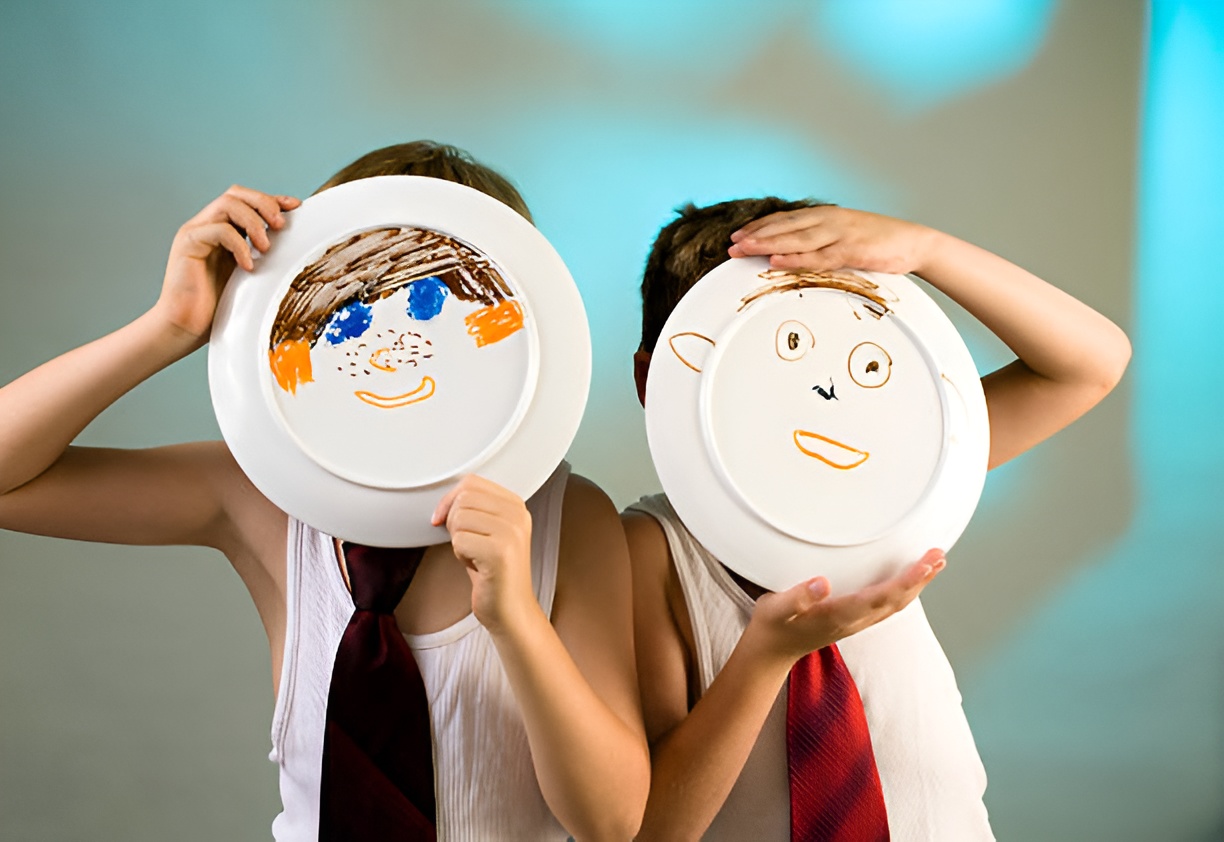
This is a quick, creative project that kids love because it lets them step into a different role. Whether they want to be a superhero, animal, or something completely made up, the transformation aspect makes it especially engaging.
What you’ll need:
- Paper plates
- Markers or crayons
- Scissors
- String or sticks
- Glue
How to do it:
- Cut out eye holes in the plate (you can do this part if your child is younger)
- Let your child decorate the plate however they want
- Attach string to wear it or tape a stick to the bottom
Ways to expand the activity:
- Create multiple masks and act out a short story
- Make matching masks as a team
- Add textures using scrap paper or fabric
Why it works:
It combines art and imaginative play. The project doesn’t end when the mask is finished—it turns into an interactive experience.
2. Handprint Art Keepsakes
This is one of the simplest projects, but it often becomes the most meaningful. It captures a moment in time, especially when kids are young and growing quickly.
What you’ll need:
- Washable paint
- Paper or cardstock
- Wipes for cleanup
How to do it:
- Apply a thin layer of paint to your child’s hand
- Press it firmly onto paper
- Let it dry, then turn the print into a design
Ideas to try:
- Turn handprints into animals like birds or fish
- Create a “family tree” using handprints as leaves
- Add dates or notes to track growth over time
Why it works:
It’s quick, personal, and sentimental. These pieces often become keepsakes you’ll look back on years later.
3. Cardboard Box Creations
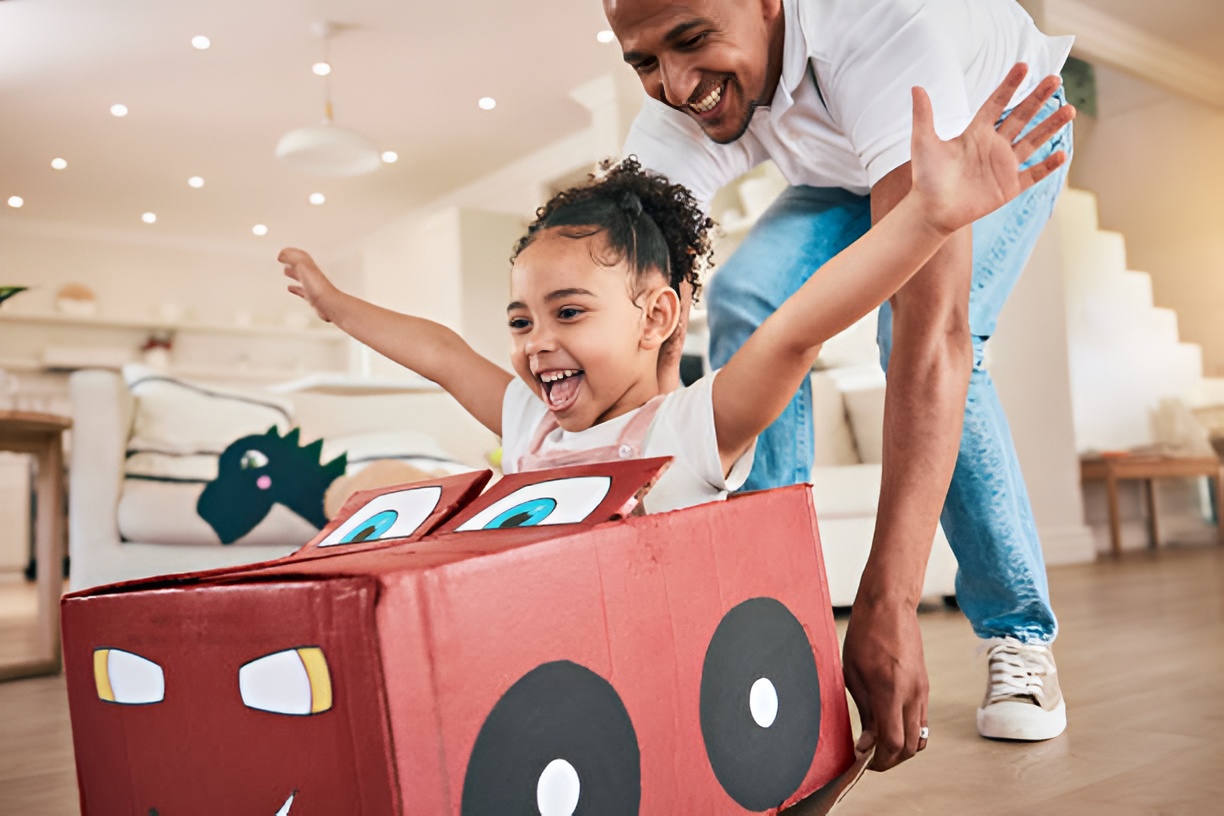
Cardboard boxes are one of the most versatile materials you can use. Kids naturally see possibilities in them, and this project taps into that creativity.
What you’ll need:
- Empty boxes
- Markers or paint
- Tape or glue
- Optional: bottle caps, paper scraps, foil
What to make:
- A robot with movable parts
- A mini house with drawn windows and doors
- A vehicle like a car, plane, or spaceship
Ways to enhance the experience:
- Let your child plan what they want to build first
- Work together on cutting or assembling parts
- Add a story behind the creation
Why it works:
It blends creativity with problem-solving. Kids learn how to build, adapt, and improvise as they go.
4. DIY Coloring Posters
This project takes coloring to a bigger scale, which instantly makes it more exciting.
What you’ll need:
- Large paper or multiple sheets taped together
- Markers or crayons
How to do it:
- Draw a simple outline (city, jungle, ocean, space)
- Let your kids fill in the details
Ways to make it more engaging:
- Assign sections to each family member
- Add small challenges like “draw 5 animals” or “include a hidden object”
- Hang the finished poster on a wall
Why it works:
It encourages collaboration and gives kids a sense of ownership over a large project.
5. Nature Collage
This activity connects kids with their environment while keeping things simple and creative.
What you’ll need:
- Leaves, sticks, flowers
- Glue
- Paper
How to do it:
- Collect items during a short walk
- Arrange them on paper
- Glue them in place
Ways to expand:
- Create themed collages (forest, beach, garden)
- Talk about the different textures and shapes
- Combine drawing with the natural elements
Why it works:
It blends outdoor exploration with creativity, making it both relaxing and engaging.
6. Toilet Paper Roll Characters
This is a quick, low-cost project that sparks imagination.
What you’ll need:
- Empty toilet paper rolls
- Markers
- Paper scraps
- Glue
What to make:
- Animals with ears and tails
- Superheroes with capes
- Family members with drawn features
Ways to build on it:
- Create a full “cast” of characters
- Put on a mini puppet show
- Build a small scene or setting
Why it works:
It encourages storytelling and gives kids a chance to create something three-dimensional.
7. Sticker Storyboards
Perfect for nights when energy is low but you still want to connect.
What you’ll need:
- Stickers
- Paper
How to do it:
- Let your child place stickers freely
- Ask them to explain what’s happening in the scene
Ways to expand:
- Add speech bubbles or captions
- Create a sequence of scenes
- Turn it into a short story together
Why it works:
It requires minimal effort but still encourages creativity and communication.
8. Marble Painting
This activity feels more like play than work, which is why kids enjoy it so much.
What you’ll need:
- Paint
- Paper
- A tray or shallow box
- Marbles
How to do it:
- Place paper inside the tray
- Dip marbles in paint
- Roll them around by tilting the tray
Tips for success:
- Use washable paint
- Limit the number of colors to avoid muddy results
- Cover the workspace to make cleanup easier
Why it works:
It’s interactive and produces unpredictable, unique patterns every time.
9. DIY Greeting Cards
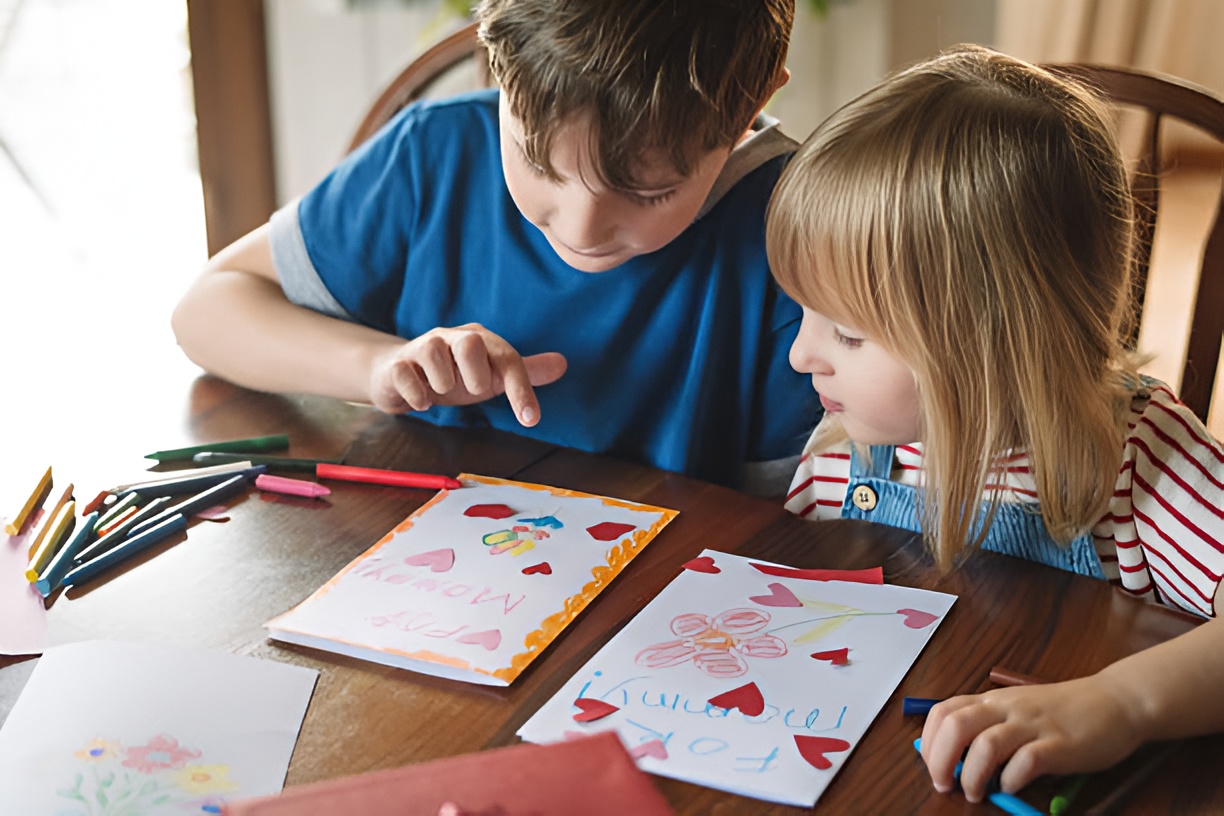
This project adds meaning to creativity by connecting it to others.
What you’ll need:
- Cardstock or folded paper
- Markers, crayons, stickers
Who to make them for:
- Family members
- Teachers
- Friends
Ways to personalize:
- Add drawings that reflect the recipient’s interests
- Include a short message inside
- Use cutouts or layered designs
Why it works:
It teaches thoughtfulness and shows kids how creativity can make someone else feel appreciated.
10. Shadow Drawing
A simple activity that introduces a bit of science into art.
What you’ll need:
- A flashlight or lamp
- Toys
- Paper
- Pencil
How to do it:
- Position a toy so it casts a shadow
- Trace the outline on paper
Ways to experiment:
- Move the light source to change the shadow size
- Trace multiple shadows for layered effects
- Add details after tracing
Why it works:
It combines creativity with curiosity and basic scientific observation.
11. Tape Resist Art
This project is all about the reveal at the end, which keeps kids engaged.
What you’ll need:
- Painter’s tape
- Paper
- Paint
How to do it:
- Place tape in patterns or shapes
- Paint over the entire surface
- Let it dry, then peel off the tape
Ways to customize:
- Create geometric designs
- Spell out names or initials
- Use different paint techniques (sponging, brushing)
Why it works:
The final reveal creates a sense of excitement and accomplishment.
12. Draw Your Day
This activity encourages reflection and conversation in a natural way.
What you’ll need:
- Paper
- Markers or crayons
How to do it:
- Ask your child to draw their favorite moment of the day
- Share your own drawing too
Ways to deepen the activity:
- Ask follow-up questions about their drawing
- Compare different parts of your day
- Turn it into a short storytelling session
Why it works:
It builds emotional awareness and communication without feeling forced.
13. DIY Bookmarks
A simple project that creates something useful.
What you’ll need:
- Cardstock
- Markers
- Stickers
- Ribbon (optional)
How to do it:
- Cut cardstock into bookmark-sized strips
- Decorate however your child likes
Ways to enhance:
- Laminate or cover with tape for durability
- Add quotes or names
- Create themed designs
Why it works:
Kids enjoy using something they made themselves, which reinforces pride and ownership.
14. Sponge Painting
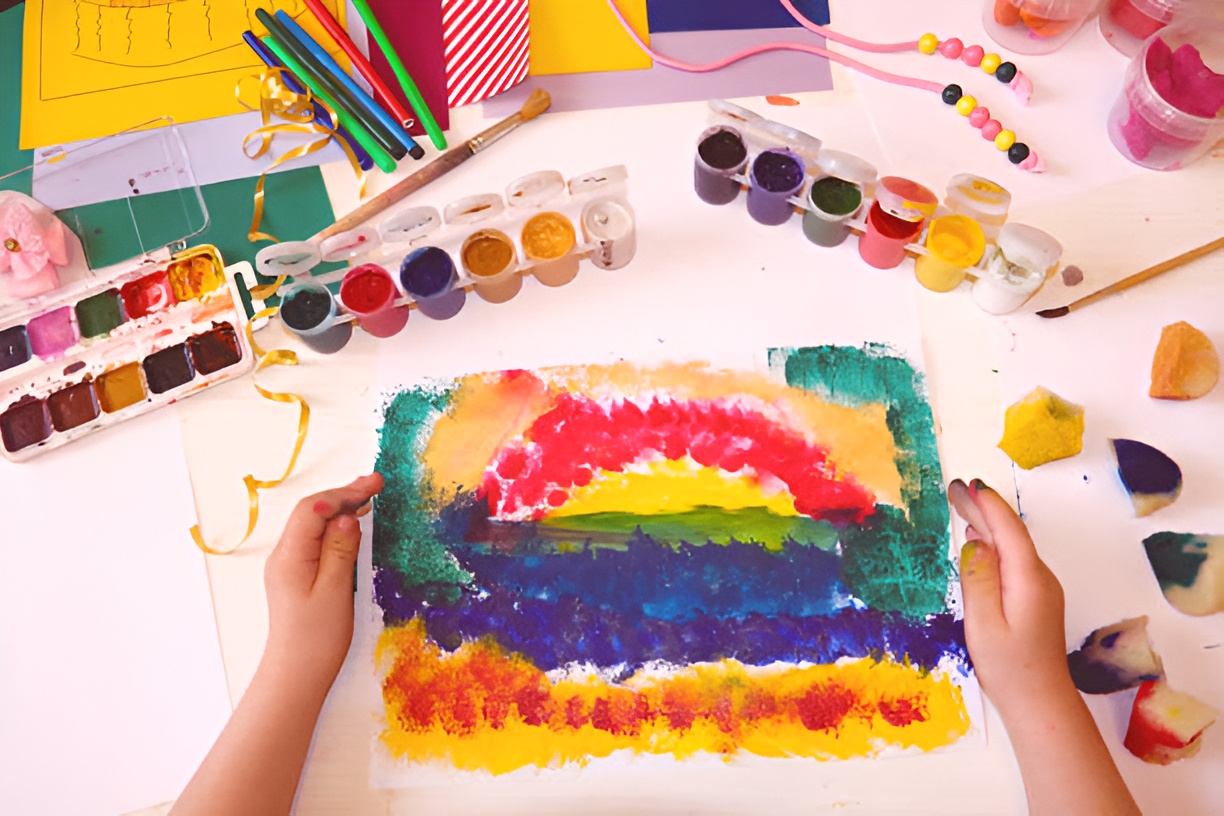
This is a great alternative to brushes, especially for younger kids.
What you’ll need:
- Sponges
- Paint
- Paper
How to do it:
- Cut sponges into different shapes
- Dip them into paint and stamp onto paper
Ways to explore:
- Layer colors for depth
- Create patterns or scenes
- Combine with drawing afterward
Why it works:
It’s tactile, easy to control, and less frustrating than traditional painting.
15. Family Doodle Challenge
This turns drawing into a shared game rather than a solo activity.
How it works:
- One person starts a drawing
- Each person adds something new
- Continue until the page is filled
Ways to make it more fun:
- Set a theme (space, jungle, city)
- Add a time limit for each turn
- Vote on a name for the final creation
Why it works:
It’s collaborative and unpredictable, which keeps everyone engaged.
Tips for Keeping Kids Engaged
Even simple art projects can lose their appeal if kids get tired, distracted, or feel like they’re being directed too much. The key is to keep the experience light, flexible, and responsive to their energy in the moment. After work, you’re not trying to run a structured lesson—you’re just creating space for connection and creativity.
What makes these activities work is not the complexity of the craft, but how freely kids can engage with it. The more control and comfort they feel, the longer they’ll stay interested. Your role is less about instruction and more about guiding the experience in a relaxed way.
Here’s how to keep things fun:
- Keep sessions short: 20–30 minutes is enough
- Offer choices: Let them pick between two options
- Join in: Participate instead of just supervising
- Celebrate effort: Focus on creativity, not results
- Stay flexible: Let the activity evolve naturally
When kids feel involved and not pressured, they’re much more likely to stay engaged.
Making Creativity Part of Your Routine
Consistency matters more than complexity. You don’t need a perfect plan—just a simple habit that fits into your schedule.
Try these practical approaches:
- Pick 2–3 evenings a week for creative time
- Keep supplies in one accessible spot
- Rotate activities to keep things fresh
- Let kids suggest ideas to increase engagement
Over time, these small sessions can become part of a broader yearly enrichment plan for children that supports creativity, confidence, and family connection without adding stress to your routine.
Common Mistakes to Avoid
Even with the best intentions, it’s easy to overcomplicate things.
Watch out for these:
- Choosing projects that are too complex
- Expecting perfect results
- Taking over the activity
- Not preparing materials ahead of time
- Letting cleanup feel overwhelming
Keep it simple, and you’ll enjoy it just as much as your kids do.
Wrapping It Up
You don’t need hours of free time or advanced artistic skills to make a difference. A few simple art projects after work can create meaningful moments, strengthen your relationship with your kids, and spark creativity that lasts far beyond the activity itself.
Start small, stay consistent, and focus on enjoying the process together. Over time, these simple evenings can become some of the most memorable parts of your day.