Many homeowners face a common dilemma: their property looks impressive from the street but feels stuffy or uneven in temperature inside, or it offers great indoor comfort yet appears tired and uninviting to visitors. The good news is that these goals are not opposites—they can reinforce each other when planned thoughtfully. Strategic exterior improvements reduce the workload on mechanical systems, lower energy consumption, and create better natural conditions for living spaces.
This integrated approach delivers multiple wins. Well-placed shading and wind protection cut cooling and heating demands significantly. Durable outdoor surfaces manage water runoff to protect foundations and maintain healthy indoor air quality. Fresh exterior finishes reflect heat and protect the structure from the elements. Modern climate systems run more efficiently within a better-insulated and sealed envelope.
Homes that achieve both strong curb appeal and superior indoor comfort typically see faster sales and higher offers if you decide to sell. They also deliver better day-to-day living experiences with fewer temperature swings, reduced allergens, and lower monthly utility bills. In the following sections, you will find specific, actionable recommendations drawn from proven strategies used by successful homeowners and professionals alike. Expect practical checklists, material suggestions, timing advice, realistic cost considerations, return on investment insights, and tips to avoid common pitfalls.
Enhancing Outdoor Living Spaces for First Impressions and Passive Comfort
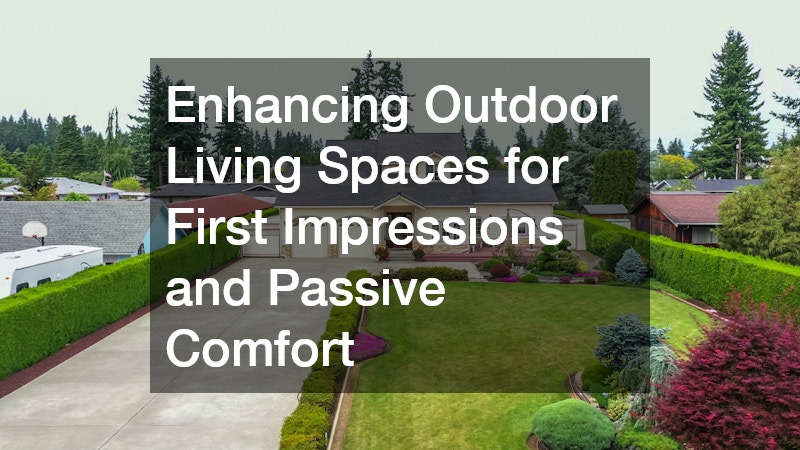
Thoughtful landscape design ranks among the highest-ROI improvements for most homes. It instantly elevates curb appeal while creating passive climate control that reduces indoor temperatures and energy bills year-round. Working with landscaping companies experienced in energy-efficient designs allows you to layer plants for maximum benefit. These professionals can perform a thorough site analysis that considers sun paths throughout the seasons, prevailing winds, soil type, drainage patterns, and your home’s specific orientation on the lot.
Deciduous trees planted on the south and west sides provide dense summer shade over windows and walls, potentially reducing cooling costs by 15-30% according to many energy studies. Evergreens positioned on the north and northwest sides serve as effective windbreaks, cutting winter heat loss and protecting against harsh gusts that force heating systems to work harder. Aim for trees that mature to 30-50 feet with broad, balanced canopies suited to your region.
Lawn care companies play a vital supporting role by maintaining healthy turf and garden beds that complement these strategic plantings. A vibrant, well-kept lawn signals care and attention to detail, instantly boosting perceived property value for visitors and potential buyers, while smart maintenance practices conserve water and other resources that directly affect indoor humidity and comfort levels.
- Plant selection and placement tips: Prioritize native or climate-adapted species to dramatically reduce watering needs and support biodiversity. Position tall shrubs or small trees to shade air conditioning units without blocking airflow, which can improve their efficiency by up to 10%. Use low-maintenance groundcovers and high-quality organic mulch under trees to suppress weeds, retain soil moisture, and moderate soil temperatures that influence foundation conditions.
- Irrigation upgrades: Invest in smart controllers equipped with soil moisture sensors and real-time weather integration. Drip irrigation systems deliver water directly to plant roots, minimizing evaporation, runoff, and unwanted humidity spikes that can drift indoors and burden dehumidification efforts.
- Maintenance calendar: Perform spring aeration and overseeding to promote thick, resilient turf that crowds out weeds. In summer, practice deep but infrequent watering—roughly one inch per week—early in the morning. Fall fertilization and proactive leaf management prevent mold issues and keep walkways clear for safety and appearance.
Layered plantings also create functional outdoor rooms that truly extend your living space. Patios shaded by pergolas covered with climbing vines encourage families to spend more time outside during mild weather, naturally reducing indoor occupancy loads, heat generation, and energy use from lights and appliances. A well-executed landscape plan often pays for itself within 5-8 years through combined energy savings and increased home resale value, sometimes adding 8-15% to market appeal depending on the neighborhood.
Hard Surfaces and Site Improvements That Boost Value and Usability
Hardscaping transforms previously unusable or problematic yard areas into attractive, highly functional features while solving drainage issues that often threaten indoor comfort and structural integrity. Local hardscaping services excel at designing custom patios, walkways, retaining walls, and other elements that manage water flow effectively and enhance overall property aesthetics.
Permeable pavers stand out as a top choice for forward-thinking homeowners. Unlike traditional solid concrete or asphalt, these innovative materials allow rainwater to infiltrate naturally rather than running off aggressively toward the foundation. This approach reduces basement moisture, lowers mold risk indoors, prevents soil erosion, and eliminates unsightly puddles that detract from curb appeal after rainstorms.
- Material comparisons: Permeable concrete pavers offer excellent durability, stylish pattern options, and superior drainage performance for high-traffic areas. Decomposed granite or natural flagstone with gravel joints provides a beautiful, organic look at a more budget-friendly price point while still allowing water penetration. For retrofit projects, traditional pavers can be reinstalled over a modified permeable base layer without complete removal.
- Installation best practices: Proper grading with a slight slope away from the house is essential. Professionals use geotextile fabric combined with carefully layered gravel bases for long-term stability and effective filtration. These surfaces typically stay cooler underfoot than dark asphalt, reducing radiant heat that transfers toward exterior walls and increasing indoor cooling demands.
A tree removal service becomes necessary when overgrown or damaged trees compromise safety, block desirable natural light, or create excessive shade that unnecessarily raises winter heating needs. Clear warning signs include leaning trunks toward the house, numerous dead branches overhanging the roof, cracked pavement from roots, or consistent moisture retention under the canopy.
Additional practical tips:
- Integrate low-voltage LED pathway lighting for enhanced nighttime curb appeal and improved safety for family and guests.
- Add built-in raised planters or benches with hidden storage to keep the area organized and clutter-free.
- Budget range: A basic 200-400 square foot patio typically runs between $5,000 and $15,000, depending on materials, site preparation, and design complexity. Always factor in long-term savings on foundation repairs, energy costs, and reduced maintenance.
These hardscape improvements create seamless transitions between indoor and outdoor living areas. They improve natural airflow opportunities when doors and windows are open and protect the home’s foundation and envelope from repeated water intrusion that can lead to expensive interior issues later.
Exterior Finishes That Protect and Refresh Your Home’s Look
A fresh exterior coat does far more than simply improve appearance—it functions as a protective and reflective barrier that actively supports better indoor comfort. Engaging a local residential painting company ensures professional preparation and product selection precisely tailored to your local climate, home materials, and architectural style.
Quality preparation work is the foundation of lasting results. This includes thorough power washing, scraping loose material, caulking all gaps, and applying high-quality primer. Modern exterior paints featuring infrared-reflective technology reflect more sunlight away from the home, keeping siding and walls noticeably cooler even when darker colors are chosen for visual impact.
Key considerations when hiring professionals:
- Always request physical paint samples applied directly to your siding to see the true color in morning, midday, and evening light.
- Select formulations with strong mildew and algae resistance, especially important in humid or shaded climates.
- Coordinate project timing carefully—complete landscaping and hardscaping first to prevent overspray damage or unnecessary cleanup.
- Inquire about comprehensive warranties, as premium applications frequently carry 10-15 year coverage against peeling and fading.
The benefits extend well beyond visual appeal. Reduced solar heat absorption lowers air conditioning loads substantially, particularly when paired with strategic tree shading. Proper exterior painting also significantly extends the lifespan of siding, windows, trim, and other components, helping you avoid disruptive and expensive repairs that interrupt daily comfort.
Upgrading Climate Control Systems for Efficiency and Reliability
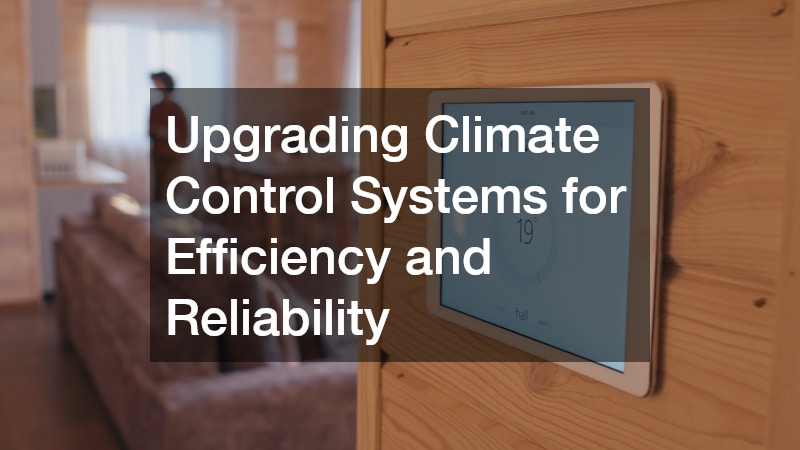
Even the best passive designs from landscaping and painting benefit greatly from modern mechanical support. Local HVAC companies provide detailed load calculations that fully account for your upgraded building envelope, including improved shading, tighter sealing from painting, and reduced air infiltration.
Zoning systems rank among the smartest upgrades available today. Motorized dampers direct conditioned air only to rooms that are actively occupied, maintaining even temperatures throughout the home without wasting energy heating or cooling unused spaces.
Furnace replacements present an excellent opportunity during any broader home comfort project. Today’s high-efficiency models achieving 95%+ AFUE ratings convert far more fuel into usable heat, featuring modulating burners that provide precise, consistent temperature control without frequent on-off cycles.
Actionable steps for successful upgrades:
- Begin with a professional whole-home energy audit that includes blower door testing to identify hidden leaks.
- Thoroughly seal and insulate all ductwork—leaks can waste 20-30% of your conditioned air before it even reaches living spaces.
- Upgrade to high-performance filtration rated MERV 13 or better to dramatically improve indoor air quality, particularly important after any construction dust from other projects.
- Research and apply for all available rebates, tax credits, and financing options for high-efficiency equipment.
- Establish a reliable maintenance plan including annual professional tune-ups, regular filter changes every 1-3 months depending on usage, and periodic coil cleaning for peak performance.
These advanced systems perform at their best after exterior improvements have already reduced the overall heating and cooling demand, resulting in quieter operation, more consistent comfort levels, and significantly lower monthly utility bills for years ahead.
Kitchen Updates That Improve Daily Living and Home Flow
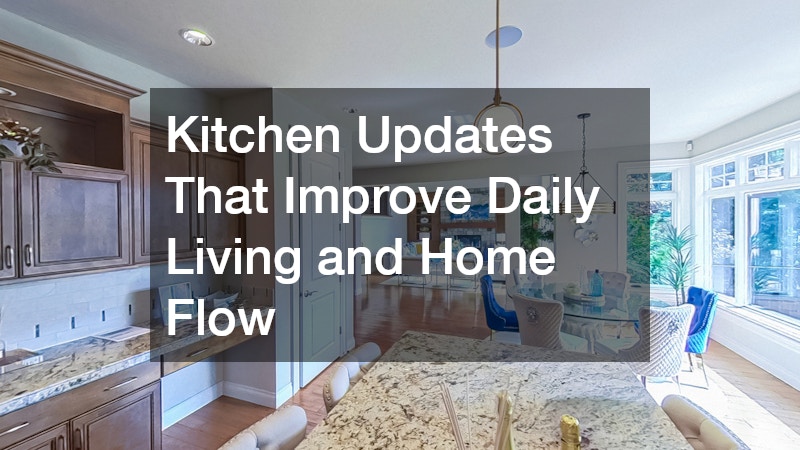
Kitchens serve as the true heart of the home, and thoughtful remodeling enhances both everyday aesthetics and functional performance. Kitchen remodeling companies and local kitchen designers work together effectively to optimize layouts that take full advantage of natural light from freshly painted exteriors and beautifully landscaped views through new or enlarged windows.
Strategic window additions or larger openings positioned over sinks and prep zones create pleasant connections to outdoor spaces without compromising energy performance when low-E glass and appropriate exterior shading are used.
Focus intently on managing heat and moisture for year-round comfort:
- Select energy-efficient appliances, prioritizing ENERGY STAR-certified models with induction cooktops that generate less ambient heat and quiet, powerful dishwashers.
- Install robust ventilation systems with range hoods properly vented to the exterior to quickly remove cooking moisture, grease, and odors before they spread throughout the house.
- Choose durable, heat-resistant countertops such as quartz or granite paired with reflective backsplashes that help reduce perceived kitchen temperatures. Light-colored cabinetry and flooring naturally brighten the entire space.
- Implement layered lighting with under-cabinet LEDs, stylish pendant fixtures, and dimmable recessed lights to minimize energy consumption while creating beautiful, functional illumination.
Budget-friendly kitchen refreshes can include updated cabinet hardware, fresh paint, and new countertops for immediate impact. Full-scale remodels provide the chance to relocate appliances and workstations for optimal workflow efficiency.
Bathroom Remodeling for Personal Sanctuary and Moisture Management
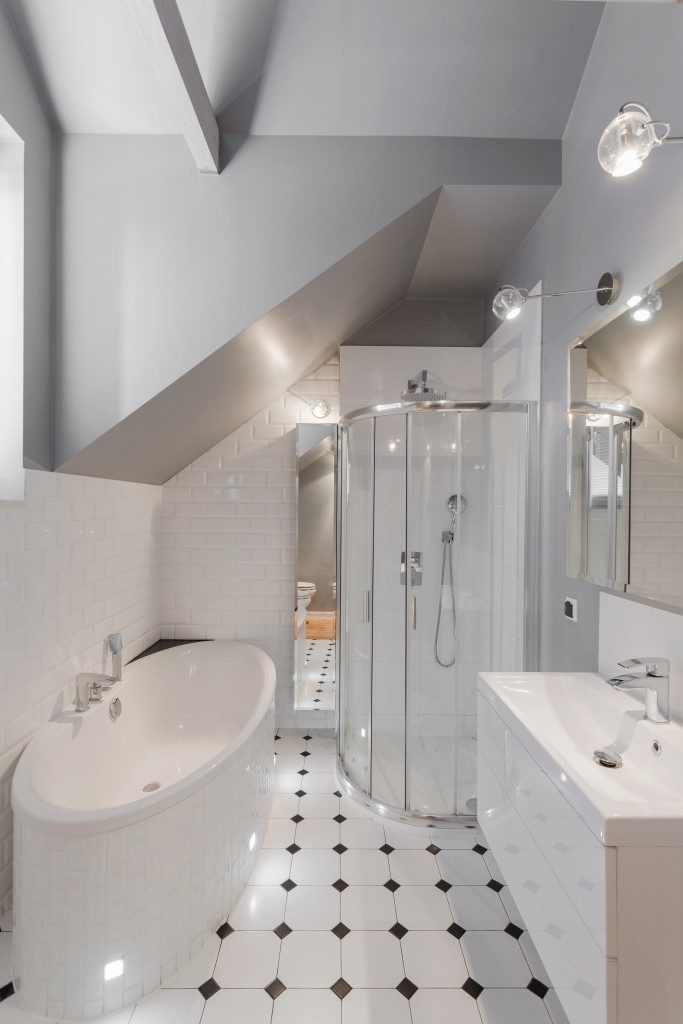
Bathrooms require special attention to humidity control to prevent mold growth while creating relaxing personal retreats. Local bathroom remodeling companies understand how to integrate powerful ventilation systems with beautiful, durable finishes that stand the test of time.
Upgrade exhaust fans to properly sized models rated for your specific bathroom square footage, aiming for at least one CFM per square foot. Choose units with built-in humidity sensors that activate automatically when moisture levels rise.
Essential moisture-fighting features include:
- High-quality waterproof membranes are installed under tile floors or behind tub and shower surrounds.
- Mold-resistant drywall or cement board in all wet areas.
- Heated flooring systems that provide luxurious winter comfort and accelerate drying times after showers.
- Professional-grade caulking and precisely sloped shower bases to eliminate standing water.
- Light-colored, highly moisture-resistant finishes such as porcelain tile, quartz counters, and specially treated cabinetry.
These thoughtful elements combine to create a true spa-like atmosphere with soft layered lighting, smart storage solutions, and calming color schemes, all while protecting the home’s structure and supporting excellent indoor air quality.
Pulling It All Together: Phased Planning and Measuring Success
Success depends heavily on intelligent project sequencing. Begin with major exterior work, including landscaping, hardscaping, tree work if needed, and painting, to establish a strong, efficient building envelope. Follow logically with HVAC system upgrades and then move indoors to kitchen and bathroom projects.
Develop a realistic 12- to 24-month roadmap that includes detailed budget allocations, priority rankings, and contingency funds for unexpected discoveries. Track your progress using before-and-after photographs, monthly utility bill comparisons, and simple comfort logs noting temperature consistency and humidity readings across seasons. Many homeowners who follow integrated plans report energy savings of 15-30% along with measurable increases in independent appraisal values.
Final Thoughts on Creating Lasting Home Transformations
Transforming your home by addressing curb appeal and indoor comfort together creates results far greater than simply adding up individual projects. You end up with a property that warmly welcomes both you and your visitors while providing consistent temperatures, superior air quality, and much lower operating costs. The investment delivers ongoing dividends through improved daily enjoyment, better health, and strong financial returns over time.
Start with a thorough, honest home assessment by walking your property and interior spaces while noting every opportunity. Then reach out to trusted local specialists for consultations. Small, well-coordinated steps executed with clear intention lead to truly remarkable transformations. Your ideal home—beautiful from the street and deeply comfortable inside—is entirely achievable with the right planning. Begin today and enjoy the rewards for many years to come.