

From the moment a father locks eyes with his newborn child, a silent promise is often made to guide, protect, and teach. In those early months, communication exists in a world of shared glances, gentle holds, and soft vocalizations. Yet, as a child grows, the transition from expressive babbles to structured language represents one of the most profound milestones in early development. For a father, stepping into the role of a language mentor is both an exceptional privilege and a daily responsibility. It requires patience, intentionality, and a willingness to meet a child exactly where they are developmentally.
Encouraging a child to talk is not about forcing rapid milestones or turning every evening into a rigorous vocabulary drill. Instead, it is about creating a rich, responsive landscape where speech feels natural, safe, and exciting. Dads bring a unique energy to this dynamic. Studies often suggest that fathers tend to use a wider vocabulary and ask more diverse questions during play, introducing their children to broader linguistic concepts. By understanding the underlying mechanics of speech development and integrating simple, proactive strategies into everyday routines, you can help your child find their voice with confidence and joy.
The Foundation of Early Communication
Actively Narrating Your Daily Routines
Children are absolute sponges, absorbing the sounds, cadences, and structures of language long before they can articulate individual words themselves. One of the simplest ways a dad can kickstart this process is by narrating the day as it unfolds. Whether you are fixing a squeaky cabinet door, prepping breakfast, or changing a diaper, speak out loud about what you are doing. Use clear, simple sentences to describe your actions, the objects you are handling, and the emotions you are feeling.
This constant stream of meaningful speech helps your child connect specific sounds to real-world objects and actions. You might say, “Daddy is putting on his big black boots now. First the left foot, then the right foot.” This builds a robust mental dictionary for your child, creating the fundamental building blocks necessary for future conversations.
Embracing the Power of Interactive Play
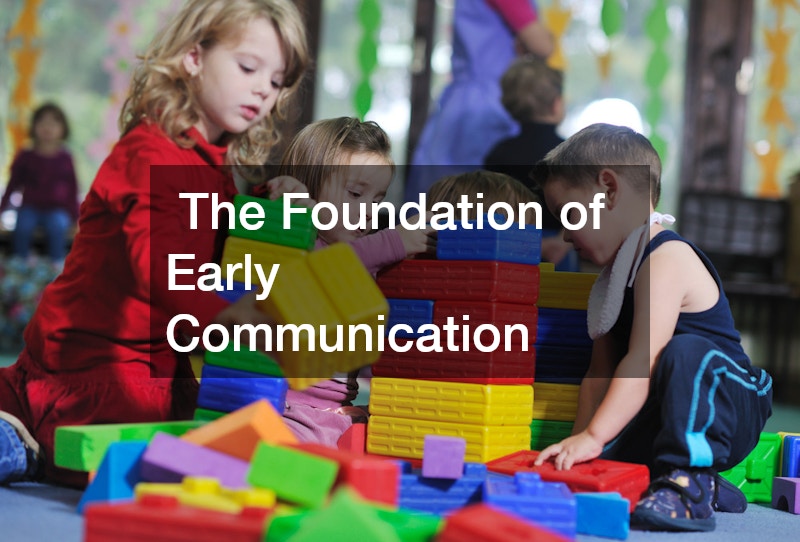
Playtime is the ultimate workspace for a child’s developing brain, and it offers a golden opportunity for fathers to connect through spoken words. When you get down on the floor to build a tower out of blocks or race toy cars, you enter their world on their terms. Use this shared attention to fuel language acquisition by describing the play dynamics.
Instead of playing in silence or simply directing the action, ask open-ended questions and describe the physical movements of the toys. Talk about how the red car is moving incredibly fast or how the blue block is perfectly balanced on top of the green one. This collaborative environment removes the pressure to perform, allowing your child to experiment with vocalizations and word approximations in a completely stress-free setting.
Structuring Your Environment for Speech
Choosing the Right Educational Philosophy
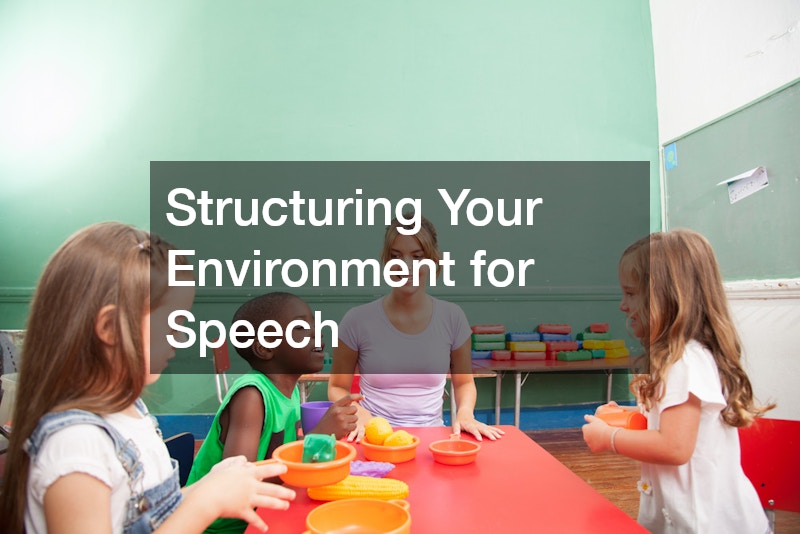
As your toddler matures into a preschooler, the broader environment outside the home begins to play a massive role in their expressive abilities. Enrolling your child in programs that emphasize social interaction can dramatically boost their verbal confidence. Many fathers find that investigating local private schools can open up unique learning environments designed specifically around holistic communication and small group dynamics.
Exposing your child to peer-to-peer interactions forces them to navigate different communication styles, negotiate during play, and express their desires to someone other than their primary caregivers. Additionally, looking into frameworks that prioritize early childhood education ensures your child is immersed in a curriculum rich with storytelling, group singing, and structured sharing times, all of which act as powerful catalysts for rapid language development.
Utilizing Specialized Care for Total Well-Being
A child’s willingness to speak can also be deeply tied to their physical comfort and structural development. If a child experiences discomfort in their mouth or struggles with alignment, it can subtly deter them from experimenting with complex vocal sounds. Scheduling regular checkups with a trusted pediatric dentist ensures that their oral health is tracking perfectly, removing any potential physical barriers to clear speech.
Furthermore, some children simply develop at a different pace or face minor phonetic hurdles that require targeted guidance. In these instances, seeking the professional expertise of a specialist in speech therapy can provide you with custom, actionable exercises to practice at home. Addressing these foundational elements early on ensures your child feels physically capable and fully supported as they expand their communicative horizon.
Integrating Language into Outdoor Adventures

Learning Through Wilderness and Nature
Nature provides a boundless, sensory-rich theater that naturally provokes curiosity and spontaneous conversation. Taking your child outside removes the digital distractions of screens and television, forcing both father and child to engage deeply with the physical world. Consider researching the programs offered by a nearby outdoor education school to see how trained instructors encourage kids to articulate their observations.
When you hike through a local trail or explore a park together, prompt your child to use descriptive language. Ask them how the rough bark of a pine tree feels against their fingers, or what kind of sound the dry leaves make when crushed under their sneakers. Nature naturally demands exploration, and that exploration provides an endless supply of new nouns, verbs, and adjectives for your child to integrate into their growing vocabulary.
Enrolling in Structured Seasonal Programs
During the warmer months of the year, breaking out of the standard household routine can give your child a massive developmental surge. Enrolling your kid in local summer camps presents an incredible venue for social and linguistic growth. These settings place children in novel situations where they must introduce themselves to new peers, follow directions from camp counselors, and collaborate on group games.
The excitement of camp activities naturally flows into the evening routine at home, giving your child a wealth of vivid stories they will be eager to share with you. Ask them specific questions about their day, such as who they sat next to during lunch or what games they played, giving them a meaningful platform to practice narrative speech and sequential storytelling.
Cultivating Specific Interests and Hobbies
Exploring Niche Collectibles and Pop Culture
Finding a shared hobby can bridge the gap between a father and child, turning language practice into a genuinely thrilling shared pursuit. If your child shows a budding interest in games, illustrations, or collecting, lean into that passion completely. Taking a weekend trip to browse local card shops can turn a standard afternoon into an immersive language lesson.
Walking down the aisles together allows you to discuss the vibrant artwork, compare different characters, and read labels aloud. Engaging with items like pokemon cards gives your child a highly specific universe of terms, statistics, and character names to memorize and discuss. When children become genuine experts on a topic they love, their desire to explain, debate, and share that knowledge with their dad skyrockets, naturally loosening their tongue and building conversational stamina.
Embracing Major Life Transitions Together
Life is rarely static, and major family milestones can serve as surprisingly fertile ground for intense language immersion. When a family undertakes a significant relocation, the sheer logistics of the event can be transformed into a series of educational conversations. Involving your child in the process of packing boxes and coordinating with moving companies allows them to feel included while learning highly practical vocabulary.
Talk to them about the concepts of sorting, labeling, and transporting prized possessions. Explain the roles of the workers helping with the heavy lifting and discuss the layout of the new neighborhood. By turning a potentially overwhelming logistical event into a shared narrative adventure, you provide your child with a framework to express their feelings, ask curious questions, and articulate their expectations about the future.
Navigating Challenging Family Dynamics

Maintaining Consistent Boundaries and Support
Not every family journey follows a predictable, straightforward path, and legal or structural shifts within the household can introduce stress that impacts a child’s willingness to communicate. During periods of family reorganization or separation, maintaining open channels of dialogue with your child becomes more critical than ever. If you find yourself working alongside a child support lawyer to settle household arrangements, shield your child from the legal complexities while doubling down on emotional stability at home.
Children often retreat into silence if they feel the ground shifting beneath them. By assuring them of your constant presence and creating dedicated, quiet moments each evening to talk about their feelings, you reassure them that their voice is valued. Keep conversations focused on their daily routines, their triumphs at school, and their emotional well-being to ensure they feel secure enough to keep speaking openly.
Establishing a Judgment-Free Listening Zone
One of the greatest gifts a father can give his child is the certainty that they will be heard without immediate correction or frustration. When a child is struggling to find the right word or stumbles over a sentence, the temptation to jump in and finish the thought for them can be incredibly strong. However, constantly interrupting or correcting a child can inadvertently make them self-conscious, leading to a reluctance to speak at all.
Instead, establish a completely judgment-free zone when your child is speaking. Maintain direct eye contact, nod encouragingly, and give them ample time to process their thoughts and formulate their sentences. If they mispronounce a word, simply repeat the sentence back to them correctly in your response rather than pointing out the error directly, allowing them to absorb the proper pronunciation naturally.
Creative Daily Techniques for Language Boosting
The Art of Strategic Ignorance
It is incredibly easy for a father to anticipate their child’s every need. If your child points at the milk carton and grunts, you know exactly what they want, and your instinct is to hand it over immediately. However, this seamless mind-reading actually robs your child of a crucial reason to use their words.
Try practicing a technique known as strategic ignorance. When your child points or gestures for an object, look at them with a warm, encouraging smile and gently ask them to clarify what they need. You can offer a choice to guide them: “Do you want the milk or the water?” This forces them to vocalize a choice, turning a passive gesture into an active verbal request and reinforcing the idea that speech is the most effective tool for getting what they want.
Transforming Reading Time into Dialogue
Reading a bedtime story is a classic parenting tradition, but it can be elevated from a passive listening activity into a vibrant, two-way conversation. Instead of simply reading the text on the page from start to finish, turn the book into an interactive discussion. Pause frequently to look at the illustrations together.
Ask your child predictive questions, such as what they think the main character will do next, or how a certain event might make the characters feel. Point out unusual items in the background drawings and ask your child to describe them. This style of shared reading transforms the book into a conversational springboard, encouraging your child to use their imagination and articulate complex ideas well beyond the literal words printed on the page.
Helping your child develop a strong, confident voice is a journey measured in months and years, filled with gradual progress and sudden breakthroughs. Every small interaction, from a morning chat in the car to a deep discussion over a shared hobby, serves as a crucial building block in their linguistic architecture. As a father, your presence, enthusiasm, and attentive listening provide the secure anchor your child needs to explore the vast world of language. By remaining patient, celebrating their efforts rather than just their perfect pronunciations, and continually inviting them into meaningful conversations, you set the stage for a lifetime of effective communication. Your dedication today ensures that as they grow, they will not only possess the ability to speak clearly, but will also carry the confidence to make their unique thoughts, ideas, and feelings known to the world around them.
Ultimately, the time and attention you invest now will pay dividends for decades to come as your child transitions into a confident communicator. Your steady encouragement shapes not only their vocabulary, but also their self-esteem and belief in the value of their own perspective. Keep talking, keep listening, and enjoy watching your child discover the incredible power of their own unique voice.